



Amrutha Singh
Visakhapatnam, Visakhapatanam
Amrutha Singh
1 year ago
Exploring the Versatility of MS Angles: A Comprehensive Overview
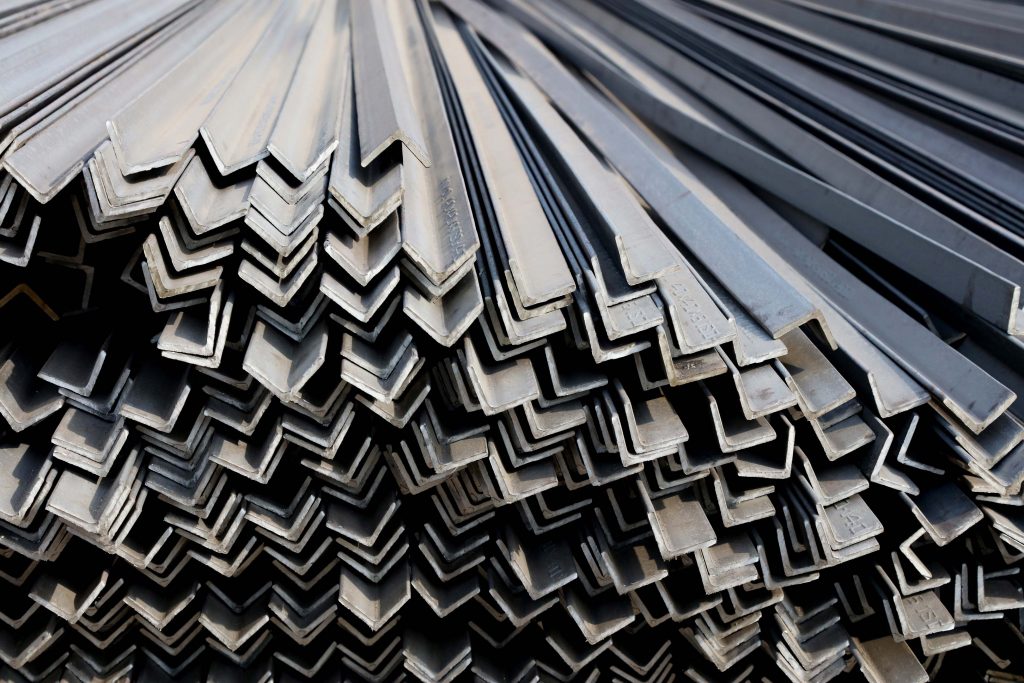
In the realm of construction, manufacturing, and structural engineering, materials that offer strength, versatility, and simplicity of fabrication are highly valued. Mild Steel (MS) angles, also known as angle irons or L-shaped structural steel, are omnipresent parts that fulfill these requirements in different applications. In this exhaustive outline, we delve into the characteristics, manufacturing cycle, applications, and advantages of MS angles, shedding light on their multifaceted role in different industries.
Understanding MS Angles
MS angles are structural steel parts described by their L-shaped cross-segment, featuring two legs of equal or unequal lengths joined at a right angle. These angles are typically produced using mild steel, a low-carbon steel variation known for its simplicity of fabrication, weldability, and cost-effectiveness. MS angles are available in different sizes, thicknesses, and lengths to suit different structural and engineering requirements.
Manufacturing Cycle
The manufacturing system of MS angles involves several means, including:
- Steel Billet Creation: The cycle begins with the development of steel billets through essential steelmaking cycles like fundamental oxygen heater (BOF) or electric bend heater (EAF). These billets act as natural substances for the creation of MS angles.
- Rolling Mill: The steel billets are warmed and gone through a progression of rolling mills to form the ideal cross-sectional shape. For the situation of MS angles, the billets are rolled into L-shaped profiles with two legs joined at a right angle.
- Cutting and Finishing: After the rolling system, the MS angles are sliced to the necessary lengths and exposed to finishing cycles, for example, straightening, surface treatment, and inspection to guarantee dimensional exactness and surface quality.
Key Characteristics of MS Angles
- Strength and Durability: MS angles offer high strength and durability, making them suitable for load-bearing applications in construction, manufacturing, and structural engineering projects.
- Versatility: MS angles are versatile structural parts utilized in a great many applications, including building frames, supports, bracing, and reinforcements.
- Simplicity of Fabrication: MS angles are not difficult to create, cut, weld, and manipulate using normal fabrication strategies like cutting, drilling, welding, and bending, allowing for simple customization and assembly in different tasks.
- Cost-Effectiveness: MS angles are cost-viable structural steel parts contrasted with different materials, making them a favored decision for construction and they are central to engineer projects where cost contemplates.
Applications of MS Angles
- Construction and Building Designs: MS angles find broad use in the construction industry for building frames, roof trusses, supports, columns, and bracing elements. They give structural stability and support in residential, commercial, and industrial buildings.
- Manufacturing and Fabrication: MS angles are utilized in manufacturing and fabrication processes for producing machinery frames, hardware supports, conveyor systems, and storage racks. They act as structural parts in different industrial applications where strength and stability are required.
- Infrastructure and Engineering Undertakings: MS angles play a vital role in infrastructure tasks like scaffolds, flyovers, dams, and transmission towers. They offer structural help and reinforcement in civil engineering projects requiring load-bearing designs.
- Architectural and Interior Design: MS angles are also utilized in architectural and interior design applications for creating decorative elements, parts, shelving systems, and furniture frames. Their versatility and tasteful appeal make them suitable for both structural and decorative purposes.
Advantages of MS Angles
- Strength and Durability: MS angles offer high strength and durability, providing reliable structural support and stability in different applications.
- Versatility: MS angles are versatile parts utilized in a great many applications across industries, from construction and manufacturing to architectural and interior design.
- Simplicity of Fabrication: MS angles are not difficult to create, cut, weld, and manipulate using normal fabrication strategies, allowing for simple customization and assembly in assorted projects.
- Cost-Effectiveness: MS angles are cost-viable structural steel parts contrasted with different materials, making them an economical decision for construction and engineering projects.
Conclusion
MS angles, with their solidarity, versatility, simplicity of fabrication, and cost-effectiveness, are indispensable parts in construction, manufacturing, and structural engineering projects. From building frames and supports to machinery frames and architectural elements, MS angles play a vital role in providing structural stability, support, and reinforcement in different applications. As industries continue to prioritize productivity, durability, and cost-effectiveness, the demand for MS angles is supposed to be areas of strength for remain, innovation and headways in structural steel fabrication for years to come.
#ms angles #Steel Products #Architects
0 likes · 0 comments
Science and Technology Facebook
  X
X  Linkedin
  Whatsapp
 Amrutha Singh
1 year ago
The Versatility and Durability of Mild Steel Plates in Construction
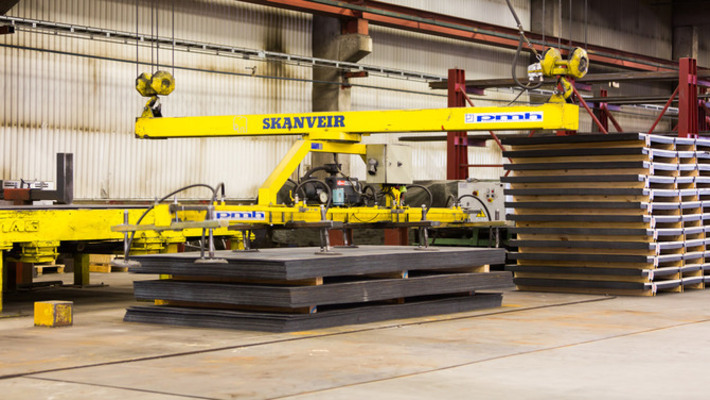
Mild steel plates, a fundamental part in construction projects around the world, are eminent for their versatility, durability, and cost-effectiveness. Filling in as fundamental building blocks in a wide exhibit of designs, mild steel plates offer unmatched strength and reliability, making them key in different industries. In this article, we dive into the characteristics, applications, and advantages of mild steel plates, highlighting their pivotal job in forming the assembled environment.
Understanding Mild Steel Plates
Mild steel plates, otherwise called low carbon steel plates, are level sheets of steel portrayed by their uniform thickness and smooth surface completion. These plates are normally fabricated from low-carbon steel, which contains a little level of carbon alongside other alloying components like manganese, phosphorus, and sulfur. Mild steel plates are created through hot rolling or cold moving cycles, bringing about exact aspects and reliable mechanical properties.
Characteristics of Mild Steel Plates
Mild steel plates have a few characteristics that make them ideal for an extensive variety of construction applications:
- High Strength: In spite of their low carbon content, mild steel plates offer high elasticity and fantastic affect resistance, making them appropriate for structural applications requiring vigorous support.
- Ductility: Mild steel plates show incredible ductility, permitting them to be effectively shaped, bowed, and welded to oblige different plan prerequisites without forfeiting structural honesty.
- Weldability: Mild steel plates are highly weldable, empowering proficient joining and fabrication processes in construction projects. They can be welded utilizing different welding techniques, including arc welding, gas welding, and resistance welding, with minimal risk of weld defects.
- Corrosion Resistance: While mild steel is defenseless to corrosion, proper surface medicines like artistic creation, arousing, or applying defensive coatings can upgrade its corrosion resistance, dragging out its administration life in brutal environmental circumstances.
- Affordability: Mild steel plates are cost-compelling building materials contrasted with options like hardened steel or aluminum. Their affordability settles on them a favored decision for different construction projects without thinking twice about quality or execution.
Applications of Mild Steel Plates
The versatility and durability of mild steel plates make them irreplaceable in an extensive variety of construction applications:
- Structural Frameworks: Mild steel plates act as fundamental components in the construction of structural frameworks for buildings, spans, and industrial offices. They are utilized as segments, pillars, and brackets to give soundness and backing to the general construction.
- Industrial Machinery: Mild steel plates track down broad use in the assembling of industrial machinery and hardware. They are utilized in the construction of machinery components like base plates, outlines, and structural backings, guaranteeing the strength and reliability of industrial machinery in assorted applications.
- Storage Tanks and Pressure Vessels: Mild steel plates are broadly used in the construction of storage tanks, pressure vessels, and pipelines for putting away and moving fluids and gases. Their strength, formability, and corrosion resistance make them ideal materials for containing and conveying different substances in industrial and business settings.
- Automotive Components: Mild steel plates are utilized in the automotive business to fabricate vehicle frame, structural components, and body boards. Their high strength and formability make them appropriate for withstanding dynamic loads and effects in automotive applications.
- Shipbuilding: Mild steel plates assume an essential part in the shipbuilding business, where they are utilized to manufacture bodies, decks, bulkheads, and other structural components of boats and offshore designs. Their strength, durability, and weldability make them ideal materials for marine applications.
Advantages of Mild Steel Plates
The reception of mild steel plates in construction offers a few advantages:
- Strength and Durability: Mild steel plates give high rigidity and brilliant effect resistance, guaranteeing long haul structural uprightness and resistance to disfigurement under weighty burdens.
- Versatility: Mild steel plates are accessible in different sizes, thicknesses, and levels, making them flexible for an extensive variety of construction applications. Whether utilized for structural frameworks, machinery components, or storage tanks, mild steel plates offer adaptability in plan and execution.
- Ease of Fabrication: Mild steel plates are handedly created, considering proficient customization and transformation to explicit task necessities. They can be cut, welded, penetrated, and shaped with relative ease, empowering quick and exact construction processes.
- Cost-Effectiveness: Mild steel plates offer cost-viable answers for construction projects without thinking twice about quality or execution. Their affordability pursues them as a favored decision for manufacturers and workers for hire looking for practical building materials.
- Recyclability: Mild steel is a highly recyclable material, adding to maintainability endeavors in the construction business. Toward the finish of its administration life, mild steel plates can be reused and reused, decreasing environmental effect and moderating regular assets.
Conclusion
In conclusion, mild steel plates are flexible and solid building materials that assume a vital part in present day construction. From structural frameworks to industrial machinery, these plates act as fundamental components in different applications across various industries. With their high strength, formability, and affordability, mild steel plates keep on molding the assembled environment, giving soundness, backing, and durability to construction projects around the world. As we keep on progressing in designing and innovation, mild steel plates will without a doubt stay a foundation of present day construction works on, engaging us to fabricate a superior, stronger future for a long time into the future.
#steelplates #construction #buildings #steel #tmt bars
0 likes · 0 comments
Science and TechnologyAmrutha Singh
1 year ago
Tata Steel Company : Forging a Legacy of Innovation and Sustainability
Tata Steel Company stands as a testament to the force of vision, perseverance, and innovation in the global steel industry. With a rich history spanning north of a hundred years, the company has developed into a global leader eminent for its commitment to greatness, sustainability, and social obligation. From its modest beginnings in India to its expansion into international markets, tata steel company has continuously adapted to fulfill the needs of a dynamic and steadily changing world.
A Legacy of Innovation
Established in 1907 by visionary industrialist Jamsetji Tata, tata steel company started as a small-scale steel plant in Jamshedpur, India. Since then, at that point, the company has developed exponentially, filled by a culture of innovation and a tireless quest for greatness. Throughout the long term, tata steel company has spearheaded several groundbreaking advancements and cycles, setting new benchmarks in the industry.
One such innovation is the advancement of high-strength, lightweight steel grades utilized in automotive and development applications. These advanced materials not just enhance the performance and durability of final results yet in addition add to reducing carbon outflows through lightweighting. Additionally, tata steel company has been at the bleeding edge of implementing digital advancements and automation in its manufacturing processes, improving proficiency, and ensuring reliable quality.
Global Footprint
Tata Steel Company's excursion from a homegrown player to a global force to be reckoned with is a testament to its strategic vision and operational greatness. Today, the company operates in more than 26 nations across Asia, Europe, and the Americas, serving different industries ranging from automotive and development to packaging and aerospace. Its international presence is upheld by a vigorous organization of manufacturing facilities, research focuses, and dissemination channels, enabling tata steel company to cater to the evolving needs of its customers around the world.
Commitment to Sustainability
As the world grapples with the challenges of climate change and environmental degradation, tata steel company has reaffirmed its commitment to sustainability and mindful business practices. The company has set ambitious targets to diminish its carbon footprint, further develop energy proficiency, and minimize waste generation across its operations. Through initiatives like circular economy programs and renewable energy projects, tata steel company is striving to create a more sustainable future for generations to come.
Besides, Tata Steel Company actively engages with stakeholders to advance environmental conservation and local area improvement initiatives. From reforestation ventures to educational programs and healthcare benefits, the company's social obligation initiatives aim to elevate the networks where it operates, fostering inclusive development and success.
Adapting to Challenges
In spite of areas of strength for its record of accomplishment, tata steel company has not been safe from challenges. The cyclical nature of the steel industry, combined with fluctuations in raw material costs and global financial uncertainties, has presented significant challenges to the company's operations. In any case, tata steel company has demonstrated strength and agility in navigating these challenges, leveraging its broadened portfolio, operational greatness, and strategic partnerships to mitigate gambles and quickly jump all over chances.
Looking Ahead
As Tata Steel Company continues its excursion of development and innovation, it remains resolved to its basic beliefs of integrity, greatness, and social obligation. The company's tenacious quest for innovation, combined with its emphasis on sustainability and operational greatness, positions it well to capitalize on emerging open doors in the global steel market. With a solid foundation based on hundred years of legacy, Tata Steel Company is ready to shape the fate of the industry and create lasting value for its stakeholders.
In conclusion, tata steel company 's remarkable excursion from a small-scale steel plant to a global leader is a testament to the force of vision, innovation, and strength. As the company continues to expand its global footprint and embrace sustainability, it remains steadfast in its commitment to driving positive change and creating value for all stakeholders. With its rich legacy as a guiding beacon, tata steel company is ready to compose the following chapter of outcome in the global steel industry.
0 likes · 0 comments
Science and TechnologyAmrutha Singh
1 year ago
Producing Strength: The Fundamental Job of Mild Steel flats in Construction
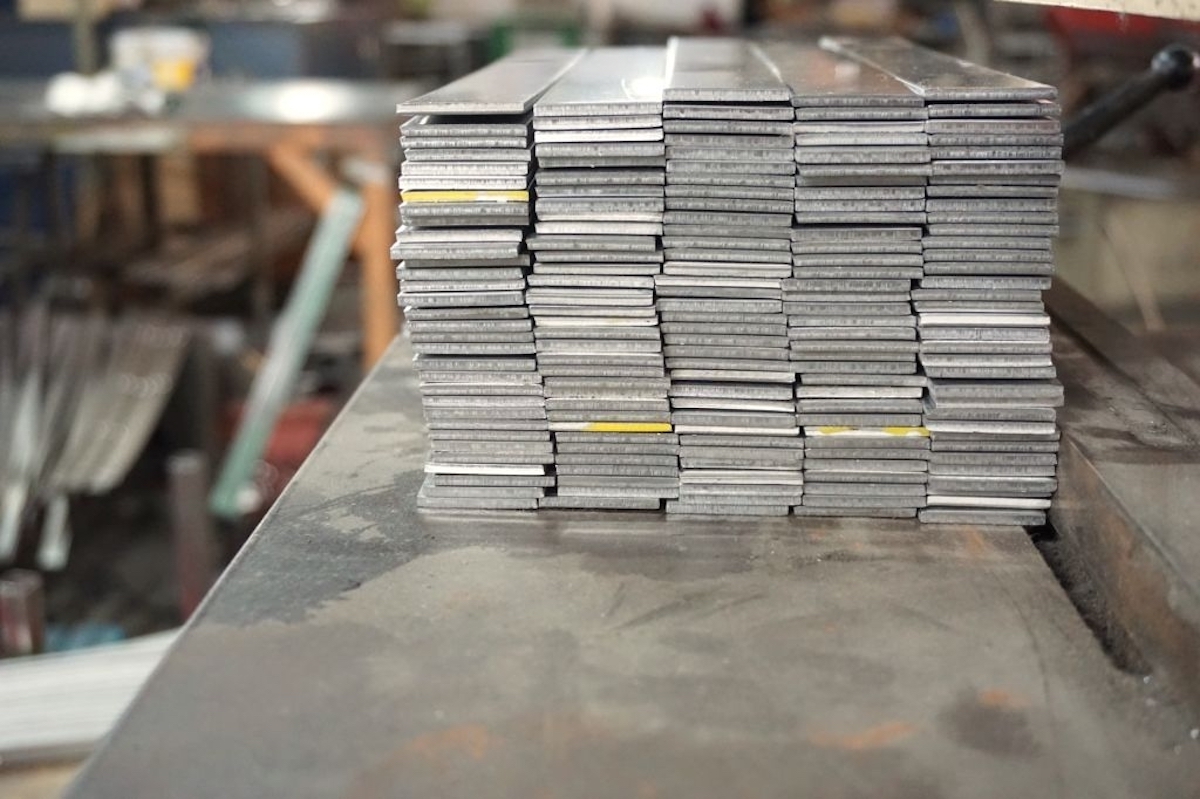
In the realm of construction, versatility and reliability are key contemplations while choosing building materials. Mild steel flats, with their exceptional mix of strength, formability, and affordability, have become imperative parts in different construction projects. From structural supports to decorative elements, mild steel flats bars offer many applications in current construction. In this article, we dive into the characteristics, applications, and advantages of mild steel flats, revealing insight into their significance in forming the constructed climate.
Understanding Mild Steel Flats
Mild steel flats, otherwise called flats or flat stock, are long, rectangular-shaped metal bars with flat surfaces and uniform thickness all through their length. They are commonly fabricated from mild steel, a low-carbon steel alloy known for its strength, ductility, and weldability. Mild steel flats are delivered through hot rolling or cold drawing processes, bringing about exact aspects and smooth surfaces.
Characteristics of Mild Steel flats
Mild steel flats have a few characteristics that make them reasonable for an extensive variety of construction applications:
- High Strength: In spite of being made out of low-carbon steel, mild steel flats offer high elasticity, empowering them to withstand significant burdens without distortion or disappointment. This strength makes them ideal for structural support and burden bearing applications.
- Formability: Mild steel flats show incredible formability, allowing them to be effortlessly bowed, shaped, or welded to suit explicit venture necessities. This formability works with customization and versatility in construction applications, including outlining, propping, and decorative detailing.
- Corrosion Resistance: While mild steel is vulnerable to corrosion, proper surface medicines, for example, electrification or painting can improve the corrosion resistance of flats, making them appropriate for both indoor and open air applications.
- Cost-Effectiveness: Mild steel flats are cost-powerful building materials compared to options like treated steel or aluminum. Their affordability settles on them a favored decision for different construction projects without settling for less on quality or execution.
Applications of Mild Steel flats
The versatility of mild steel flats fits an extensive variety of construction applications across various ventures:
- Structural Support: Mild steel flats are usually utilized as structural support parts in building construction. They act as shafts, segments, and supporting elements, giving fundamental support and solidness to the general design.
- Framework Construction: In private, business, and modern buildings, mild steel flats are used for outlining and propping purposes. They are utilized in wall outlining, roof brackets, and floor joists to make powerful frameworks that can withstand vertical and sidelong loads.
- Staircases and Handrails: Mild steel flats are much of the time integrated into flight of stairs construction, filling in as stringers, tracks, and handrail supports. Their strength and durability make them reasonable for both inside and outside staircases in different building types.
- Fabrication and Manufacturing: In the manufacturing business, mild steel flats are utilized as unrefined substances for creating apparatus, gear, and structural parts. They are utilized in transport frameworks, apparatus casings, and support structures because of their strength and formability.
- Architectural Detailing: Mild steel flats are esteemed for their tasteful versatility in architectural detailing. They can be utilized to make decorative accents, like trim, moldings, and veneers, adding visual interest to building outsides and insides.
Advantages of Mild Steel flats
The reception of mild steel flats in construction offers a few advantages:
- Strength and Durability: Mild steel flats give high elasticity and durability, guaranteeing long-term structural trustworthiness and resistance to twisting under weighty burdens.
- Versatility: Mild steel flats are accessible in different sizes, thicknesses, and lengths, making them flexible for an extensive variety of construction applications.
- Ease of Fabrication: Mild steel flats are effortlessly created, allowing for proficient customization and transformation to explicit venture prerequisites. They can be cut, welded, bored, and shaped with no sweat, empowering quick and exact construction processes.
- Cost-Effectiveness: Mild steel flats offer cost-successful answers for construction projects without settling on quality or execution. Their affordability goes with them a favored decision for developers and project workers looking for practical building materials.
- Recyclability: Mild steel is a highly recyclable material, adding to manageability endeavors in the construction business. Toward the finish of its administration life, mild steel flats can be reused and reused, diminishing ecological effect and saving normal assets.
Conclusion
In conclusion, mild steel flats are flexible and solid building materials that assume an essential part in present day construction. From structural support to decorative detailing, these flats offer a large number of applications across different businesses. With their high strength, formability, and affordability, mild steel flats keep on molding the assembled climate, giving fundamental support and security to construction projects around the world.
#flats #Remodelling Services #Flooring Services
0 likes · 0 comments
BusinessAmrutha Singh
1 year ago
Exploring the Structural Significance of Mild Steel Channels in Construction
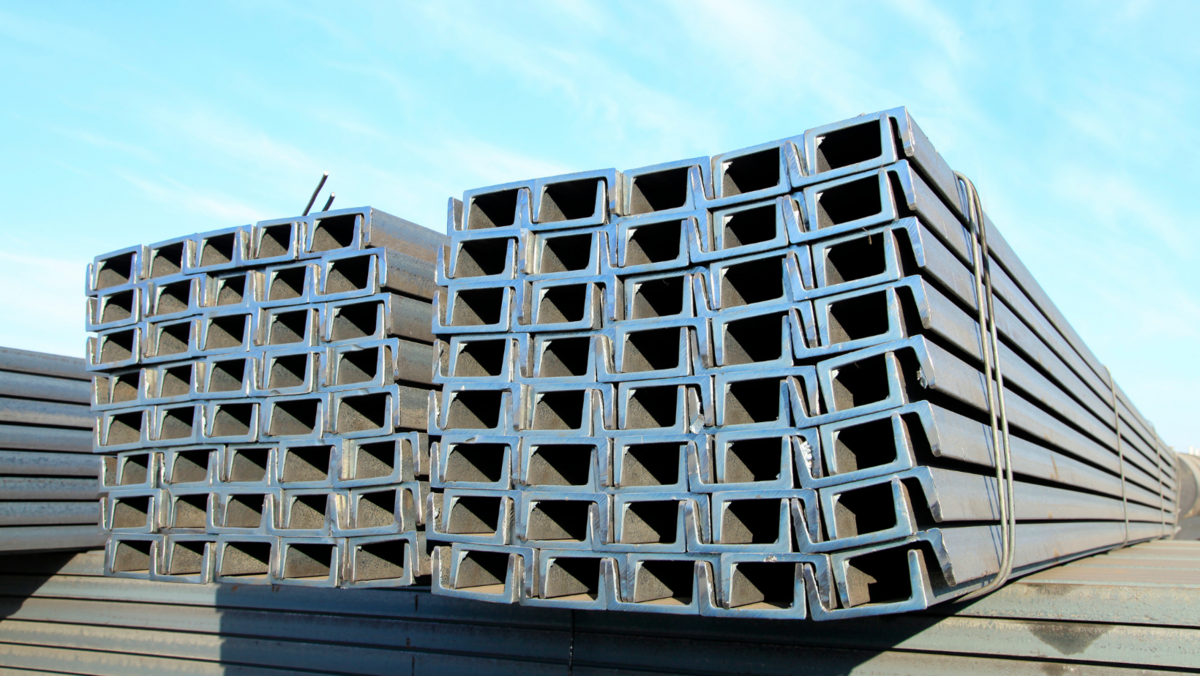
In the realm of construction, the importance of structural integrity cannot be overstated. Each building, bridge, or infrastructure project depends on carefully chosen components to ensure stability and durability. Among these components, mild steel channels arise as essential structural components, offering a unique combination of strength, versatility, and affordability. In this article, we dig into the characteristics, applications, and advantages of mild steel channels in construction.
Characteristics of Mild Steel Channels
Mild steel channels, also known as C-channels or U-channels, are formed from mild steel sheets or plates by cold bending or hot rolling processes. They are characterized by their distinctive C-shaped or U-shaped cross-sections, with two parallel flanges connected by a web. These channels are available in various sizes, thicknesses, and lengths, making them adaptable to a wide range of construction applications.
One of the primary characteristics of mild steel channels is their high elasticity, which enables them to withstand significant loads without deformation or failure. Additionally, mild steel channels show excellent weldability and machinability, allowing for easy fabrication and customization according to specific project requirements. Moreover, their corrosion resistance can be enhanced through appropriate surface treatments, making them suitable for both indoor and outdoor applications.
Applications of Mild Steel Channels
The versatility of mild steel channels makes them indispensable in various construction projects across various industries. A few common applications of mild steel channels include:
- Structural Support: Mild steel channels are widely used as structural support components in building and infrastructure projects. They act as beams, columns, and trusses, providing essential reinforcement and stability to the overall structure.
- Framework Construction: In residential and commercial construction, mild steel channels are utilized for framework construction, including wall framing, roof trusses, and floor joists. Their high strength-to-weight ratio makes them ideal for creating robust frameworks that can withstand vertical and lateral loads.
- Support Systems: Mild steel channels are commonly utilized in support systems for mechanical, electrical, and plumbing installations. They act as mounting brackets, cable trays, and line supports, providing a sturdy foundation for various utilities within buildings and industrial facilities.
- Infrastructure Projects: In infrastructure projects such as bridges, highways, and railways, mild steel channels play a vital role in providing structural support and reinforcement. They are used in bridge braces, railings, and guardrails, contributing to the safety and life span of these essential infrastructure assets.
- Architectural Detailing: Mild steel channels are also valued for their esthetic versatility in architectural detailing. They can be used to create decorative accents, such as trim, moldings, and fascia, adding visual interest to building facades and interiors.
Advantages of Mild Steel Channels
The widespread adoption of mild steel channels in construction can be attributed to several key advantages:
- Strength and Durability: Mild steel channels offer high elasticity and durability, ensuring long haul structural integrity and resistance to deformation under heavy loads. This durability makes them suitable for demanding applications where robustness is essential.
- Versatility: Mild steel channels are available in a wide range of sizes, thicknesses, and configurations, making them versatile for various construction applications. Whether used for structural support or architectural detailing, mild steel channels offer adaptability in plan and implementation.
- Cost-Effectiveness: Mild steel is an economical material choice compared to alternatives such as stainless steel or aluminum. Its affordability makes mild steel channels a cost-effective solution for construction projects without compromising on quality or performance.
- Ease of Fabrication: Mild steel channels are easily fabricated, allowing for efficient customization and adaptation to specific project requirements. They can be cut, welded, penetrated, and formed without sweat, enabling fast and precise construction processes.
- Recyclability: Mild steel is an exceptionally recyclable material, contributing to sustainability efforts in the construction industry. At the finish of its service life, mild steel channels can be recycled and repurposed, reducing environmental impact and conserving natural resources.
In conclusion, mild steel channels are integral components in modern construction, offering strength, versatility, and cost-effectiveness. From structural support to architectural detailing, these channels play a crucial role in shaping the built climate. With their numerous advantages and widespread applications, mild steel channels continue to be a favored choice for engineers, architects, and builders worldwide.
#channels #Steel Products #Contractors
0 likes · 0 comments
Science and TechnologyDo you want to manage your own group?
