



Bluebird Solar
Delhi, Delhi
Bluebird Solar
1 year ago
Solar Rooftop System Price & Subsidy in Maharashtra 2024
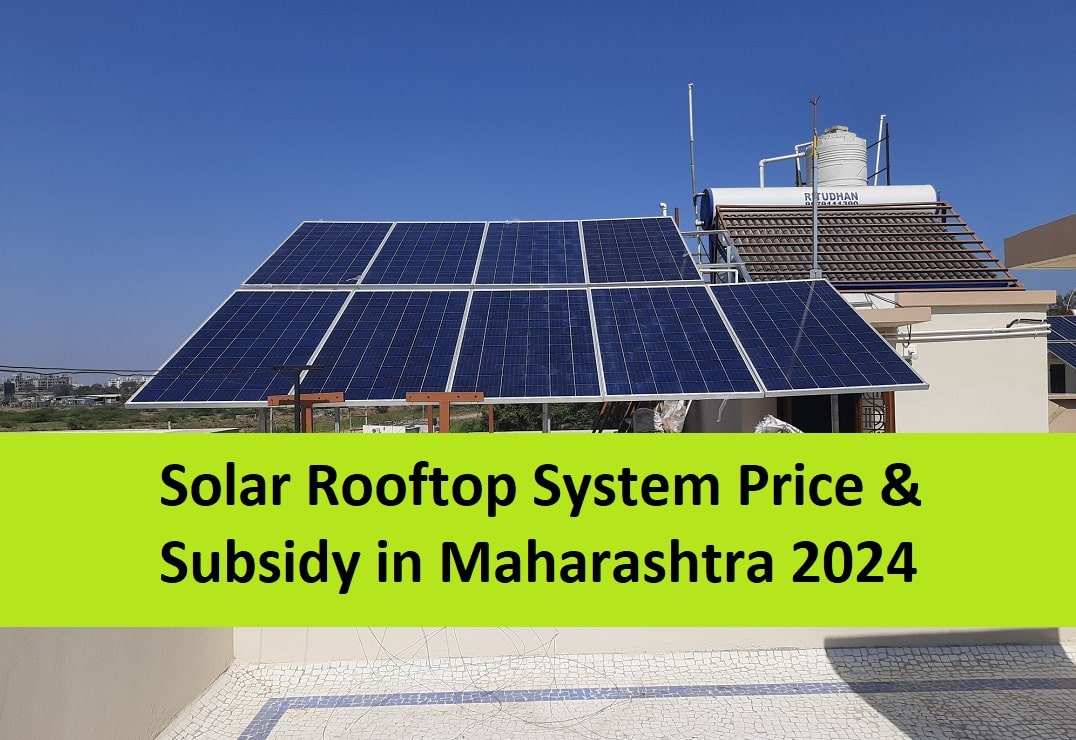
Solar Rooftop System Price & Subsidy in Maharashtra 2024
As the world moves towards sustainable energy solutions, solar energy has become a popular and reliable choice for homeowners, especially in India. Maharashtra, with its abundant sunshine, is one of the leading states promoting rooftop solar systems. If you are considering installing a solar panel system on your rooftop in 2024, understanding the pricing and subsidy structure can help you make an informed decision.Under the PM Surya Ghar Yojana, homeowners can benefit from a solar panel subsidy in Maharashtra, reducing the upfront cost of installing solar rooftop systems. This scheme makes solar power more affordable and accessible for residents, enabling them to save on electricity bills while contributing to environmental sustainability.In this article, we will explore the cost of solar systems in Maharashtra, the various subsidies available, and the steps involved in applying for these subsidies.Understanding Maharashtra Solar Panel SubsidyTo encourage the adoption of renewable energy, the Government of India and the Maharashtra state government offer substantial financial incentives for installing solar rooftop systems. The subsidy program is primarily managed under the Ministry of New and Renewable Energy (MNRE), which provides financial assistance for both residential and commercial installations. Additionally, state-level policies ensure more specific support for solar projects in Maharashtra.The new National Portal for Rooftop Solar makes it easy for people in Maharashtra and across India to apply for and receive solar subsidies. This online platform helps consumers get financial support to lower the cost of installing solar panels. The subsidy amount in Maharashtra depends on the size of the solar system that the state DISCOM approves.Rooftop Solar System CapacityApplicable Subsidy (₹)1 kW30,000/-2 kW60,000/-3 kW78,000/-*>10 kWp78,000/-For common facilities, a solar system of up to 500 kWp can be installed, with each house allowed a maximum of 10 kWp. This includes any rooftop solar systems already installed by residents in that group housing society (GHS) or Resident Welfare Association (RWA) for shared use.Note: The subsidy amount is fixed for rooftop solar systems with a capacity of 3 kW or more.Solar System Price in MaharashtraThe price of installing a solar rooftop system varies depending on several factors, such as the capacity of the system, the quality of components (like panels and inverters), installation complexity, and labor costs. In 2024, the typical pricing structure for solar panel systems in Maharashtra is as follows:Solar System SizePrice Range (Estimated)1kW Solar System₹75,000 to ₹85,0002kW Solar System₹150,000 to ₹170,0003kW Solar System₹1.89 lakh to ₹2.15 lakh4kW Solar System₹2.52 lakh to ₹2.85 lakh5kW Solar System₹3.15 lakh to ₹3.57 lakh10kW Solar System₹5.31 lakh to ₹6.07 lakhThe solar panel rooftop system price range depends on the type of solar panels chosen. Monocrystalline solar panel, which are more efficient, are slightly more expensive than polycrystalline panels. Inverters and batteries also play a role in determining the final cost.Solar System Price with SubsidyThe financial assistance from the government significantly reduces the initial cost of solar installations. With Maharashtra solar subsidy, the out-of-pocket expense for consumers can drop substantially, making solar energy a more affordable option for homeowners in Maharashtra. To better understand the cost after applying the solar yojana maharashtra, here’s an illustrative example:Solar System SizeEstimated Price RangeSubsidy ApplicablePrices After Subsidy1kW Solar System₹ 75,000 – ₹ 85,000₹ 30,000₹ 45,000 – ₹ 55,0002kW Solar System₹ 1,50,000 – ₹ 1,70,000₹ 60,000₹ 90,000 – ₹ 1,10,0003kW Solar System₹ 1,89,000 – ₹ 2,15,000₹ 78,000₹ 1,11,000 – ₹ 1,37,0004kW Solar System₹ 2,52,000 – ₹ 2,85,600₹ 78,000₹ 1,74,000 – ₹ 2,07,6005kW Solar System₹ 3,15,000 – ₹ 3,57,000₹ 78,000₹ 2,37,000 – ₹ 2,79,00010kW Solar System₹ 5,31,000 – ₹ 6,07,000₹ 78,000₹ 4,53,000 – ₹ 5,29,000Steps to Apply for Solar Subsidy in MaharashtraTo benefit from the solar subsidy in Maharashtra, you must follow a step-by-step process.Identify a MNRE-Approved Vendor: To be eligible for the subsidy, the solar installation must be done by a vendor approved by MNRE. A list of such vendors can be found on the MNRE website or the MSEDCL portal.Submit an Application to MSEDCL: Once you have selected a vendor, you will need to submit an application for subsidy to MSEDCL. The application can be done online or in person at an MSEDCL office.System Installation: After receiving the approval, the vendor will install the system on your rooftop. Ensure that all necessary standards and guidelines are followed to qualify for the subsidy.Inspection: Post-installation, a government-appointed inspector will visit your property to verify that the system has been installed as per the regulations.Subsidy Disbursement: After successful inspection, the subsidy will be disbursed directly to the consumer’s bank account or adjusted in the final payment to the vendor.Benefits of Solar Panel Subsidy in MaharashtraCost Reduction: The most obvious benefit is the reduction in the upfront cost of solar installation. With the subsidy, you can recover a significant portion of the installation cost, making solar energy more accessible.Faster Payback Period: With reduced installation costs, the time it takes to recover your investment through savings on electricity bills shortens. Depending on the size of your system, you can expect to see a full return on investment in 4 to 6 years.Environmental Impact: By adopting solar energy, you contribute to reducing carbon emissions and dependence on fossil fuels, helping to mitigate climate change.Increase in Property Value: A solar-equipped home has higher property value and appeal due to reduced energy costs and sustainable living benefits.Process for Installing a Solar System in MaharashtraBeyond applying for the subsidy, here are the general steps to install a solar panel system in Maharashtra:Evaluate Your Rooftop: First, ensure your rooftop has sufficient space and sunlight exposure.Choose a Vendor: As mentioned earlier, select a reliable and MNRE-approved vendor for the installation.System Design: The vendor will visit your site and design a system based on your energy consumption and available rooftop space.Sign an Agreement: Once the design is finalized, you will sign a contract with the vendor detailing the cost, timeline, and warranty.Installation: The solar panels, inverter, and other necessary components will be installed by the vendor, usually taking 1 to 2 weeks.Inspection & Net Metering: After installation, the system will undergo inspection, and a net metering device will be installed to track your energy production and consumption.ConclusionInvesting in a solar rooftop system in Maharashtra in 2024 is a financially sound and environmentally friendly decision. With government subsidies in place, the cost of solar installation has become more affordable, and the benefits, both in terms of savings and environmental impact, are substantial. The solar subsidy in Maharashtra under the PM Surya Ghar Yojana offers significant financial incentives to encourage the use of renewable solar energy. By taking advantage of the solar panel government subsidy Maharashtra, homeowners can save money on installation and electricity costs, while contributing to a greener and more sustainable future. By following the proper steps to apply for a solar power subsidy in Maharashtra and install the system, you can enjoy long-term savings on your electricity bills while contributing to a greener future. Whether you are a homeowner or part of a housing society, now is the perfect time to make the switch to solar energy.FAQs: Everything You Need to Know About Solar Subsidies in Maharashtra 2024 Why does the government provide subsidies for solar systems?The Indian government aims to achieve 40 GW of solar energy from rooftop installations in residential areas. To encourage more homeowners to adopt solar energy, the government offers subsidies to reduce the installation costs. This is a great opportunity to take advantage of schemes like the solar panel subsidy in Maharashtra. What are the requirements to avail of a solar panel subsidy in Maharashtra?To be eligible for the Central Financial Assistance (CFA) or subsidy in Maharashtra, you must hire a registered vendor to install your rooftop solar plant. Details about registered vendors can be obtained from the DISCOM service company in your area. The installation should comply with the guidelines and technical specifications set by the Ministry of New and Renewable Energy (MNRE). Additionally, only domestically manufactured solar components, including solar cells, modules, and inverters, should be used for the installation. Does my solar system have a warranty if I register through a subsidy scheme?Yes, if you register your solar panel system under a subsidy scheme, the empanelled installation company will provide a performance warranty for 5 years. After this period, the maintenance and repair responsibilities will be borne by the customer. Is there a subsidy or incentive for commercial or industrial solar systems?The solar panel subsidy scheme in India is currently available only for residential setups, such as individual homes, large apartments, and housing societies. Commercial and industrial solar installations do not qualify for these subsidies. However, they can benefit from other incentives like excise duty exemptions, tax holidays, and accelerated depreciation.5. Are solar subsidy rates uniform across all states?All residential consumers in India are eligible to apply for subsidies through the national portal, and the subsidy rates are standardized for all applicants, regardless of their state.
https://bluebirdsolar.com/blogs/all/solar-rooftop-system-price-subsidy-in-maharashtra
0 likes · 0 comments
Science and Technology Facebook
  X
X  Linkedin
  Whatsapp
 Bluebird Solar
1 year ago
Solar Rooftop Subsidy 2024 - A 360° View
Solar Rooftop Subsidy 2024 - A 360° View
Pradhan Mantri Suryoday Yojana was announced by PM Modi to extend solar energy access to households nationwide. On February 13th, Prime Minister Narendra Modi announced the renaming of the government's updated rooftop solar scheme to 'PM Surya Ghar: Muft Bijli Yojana'.Aimed at providing up to 300 units of free electricity every month to 1 crore households, this initiative with an investment of over ₹75,000 crores, aims to promote the widespread adoption of solar power. Through subsidies provided for eligible solar projects, more individuals will have the opportunity to install solar rooftop systems on their own homes, subsequently decreasing their electricity expenses. Solar Rooftop Subsidy 2024 Benefits to HomeownersA solar subsidy is a financial incentive the government provides to individuals or organisations to encourage the adoption of solar energy by making it more affordable and accessible to a wider range of people, businesses, and communities. By offsetting some of the initial investment required for installing solar panels, subsidies help more people to switch from traditional coal-based to renewable energy. Central Financial Assistance (CFA) Under PM Surya Ghar Muft Bijli YojnaUnder the 'PM Surya Ghar: Muft Bijli Yojana', the government is offering substantial subsidies to incentivize the adoption of solar energy. For systems up to 2 kW, a generous subsidy of Rs. 30,000 per kilowatt (kW) is provided, while additional capacity up to 3 kW is eligible for a subsidy of Rs. 18,000 per kW. Even for larger systems exceeding 3 kW, the total subsidy is capped at a considerable Rs. 78,000. These increased subsidy rates make it more accessible for homeowners to invest in renewable energy solutions, paving the way for a cleaner and more sustainable future.The following table illustrates the subsidy amounts for various KW solar installations:Average Monthly Electricity Consumption (units)Suitable Rooftop Solar Plant Capacity Subsidy Support 0-1501 – 2 kW Rs 30,000 to Rs 60,000/150-3002 – 3 kWRs 60,000 to Rs 78,000/>300Above 3 kW Rs 78,000/- Solar System CapacityPrevious Subsidy 2024Revised Subsidy 20241kW - 2kW₹18,000/kW Per kW₹20,000/kW upto 2kW2kW - 3kW₹18,000/kW Per kW₹20,000/kW For 2kW and Rs.18000/kW for 1kW additionalAbove 3kW to 10kWRs. 18,000/- per kW for first 3 kWRs. 9,000/- per kW for remaining capacityRs.78000 FixedAbove 10kWRs. 117000 - FixedRs.78000 Fixed Illustrated Central Govt. Solar Subsidy CalculationMoney saved is money earned. Below, we've demonstrated how to calculate the subsidy available to residential consumers across India, excluding the Northeast and Hilly States/Union Territories. For those regions, please consult the subsidy amounts provided earlier.Rooftop Solar System CapacityPrevious Available Subsidy - All StatesRevised Available Subsidy 2024 - All States 1 kW Solar SystemRs.18000/- X 1 = Rs.18000/-Rs.30000/- X 1 = Rs.30000/-2 kW Solar SystemRs.18000/- X 2 = Rs.36000/-Rs.30000/- X 2 = Rs.60000/-3 kW Solar systemRs.18000/- X 3 = Rs. 54000/-Rs.30000/- X 2 + Rs.18000/- x 1 = Rs.78000/-4 kW Solar SystemRs.18000/- X 3 + Rs.9000/- X 1 = Rs. 63000/-Rs.78000 Fixed5 kW Solar SystemRs.18000/- X 3 + Rs.9000/- X 2 = Rs. 72000/-Rs.78000 Fixed Where To Apply for Solar Rooftop Subsidy?Anyone living in any part of India can use the National Portal ( https://pmsuryaghar.gov.in ) to apply for a Rooftop Solar System installation under PM Surya Ghar Muft Bijli Yojna and receive financial support directly in their bank account. The portal also gives information about subsidy programs, rewards, and other advantages available under this scheme. This makes it more convenient for households to apply for and get the subsidy they are eligible for.Eligibility Criteria For Availing Solar Subsidy To qualify for participation in the PM – Surya Ghar: Muft Bijli Yojana in 2024, individuals must satisfy the following conditions:Hold permanent citizenship of India.Attain the age of 18 or above.Own a residential property.A valid electricity connection is mandatory for the household.Householders must possess the required documentation.Maintain an annual income not exceeding Rs 1 or 1.5 lakh.Aadhaar linked to bank accounts is highly mandatory.The household must not have previously received any other subsidies for solar panels.Documents Required to Apply For Solar Subsidy On National PortalThe essential documentation needed for eligible residents of the country to complete the online registration for the Solar Rooftop Scheme includes:Aadhar cardProof of addressIdentification cardHousehold ration card (if applicable)Income certificateBank passbookMobile numberPassport-sized photographUtility bill for energy consumptionSimplified Steps to Apply For Subsidy On National PortalNow, individuals residing anywhere in India have the opportunity to utilize the PM Surya Ghar Muft Bijli Yojana, National Portal to request the installation of a Rooftop Solar System and directly receive financial assistance deposited into their bank accounts. The portal also provides information on subsidy programs, incentives, and other benefits offered under this initiative, simplifying the process for households to apply for and obtain the subsidy they qualify for.Here's a step-by-step procedure guide:Register on the portal by providing the required information.Choose your State and Electricity Distribution Company.Input your Electricity Consumer Number, Mobile Number, and Email.Log in using your Consumer Number and Mobile Number, and complete the Rooftop Solar application form.The Distribution Company (DISCOM) will carry out a technical feasibility assessment within the upcoming 15-day period.Upon receiving feasibility approval, engage any of the registered vendors within your DISCOM to install the system.After installation, submit the plant details and apply for a net meter. The request will be forwarded to the DISCOM.Following an inspection of the plant to ensure compliance with all guidelines, a commissioning certificate will be issued.Once the net meter is installed and inspected by the DISCOM, a commissioning certificate will be generated through the portal.Upon receiving the commissioning report, submit your bank account details along with a cancelled cheque via the portal.Your subsidy will be deposited into your bank account within 30 days. Net Metering Benefits And Working In the solar net-metering system, consumers are billed based on the disparity between the energy they import and the energy they export. For instance, if a consumer imports 1000 kWh during the billing period of June but exports 700 kWh within the same timeframe, they will only be charged for 300 kWh. Similarly, if the energy imported in the following month, July, amounts to 700 kWh, with an export of 500 kWh once again, the surplus 200 kWh will be rolled over to the subsequent month's billing cycle and adjusted accordingly.Also Read : How to Install a Solar Panel at Home step by step?How is Bluebird Solar Contributing To This GoalMr. Akshay Mittal believes that the PM Surya Ghar Muft Bijli Yojana is a commendable initiative by the government of India towards achieving energy independence. This scheme holds immense potential in revolutionizing the energy landscape of our country by promoting the adoption of solar power in households. As a trusted brand and a solar PV module manufacturer committed to innovation and sustainability, Bluebird Solar can contribute to this initiative by providing high quality and durable solar PV modules. Bluebird Solar is poised to revolutionize the solar energy landscape by offering an extensive array of half-cut Solar PV Modules spanning from 400W to 550W in both mono and Bi-Facial categories. Additionally, with the imminent release of their N-Type Topcon solar PV modules, boasting an impressive range of 580 to 650Wp, Bluebird Solar aims to provide customers with cutting-edge technology and enhanced efficiency, empowering individuals and businesses to harness the full potential of solar energy for their needs.
#solarrooftopyojana #freesolarpanelyojana #pmsolarrooftopyojana
0 likes · 0 comments
Science and TechnologyBluebird Solar
1 year ago
How the 2024 Free Electricity Scheme is Empowering Indian Households
How the 2024 Free Electricity Scheme is Empowering Indian...
The 2024 Free Electricity Scheme, officially known as the PM Surya Ghar Muft Bijli Yojana, is a landmark initiative by the Indian government aimed at revolutionizing energy access for millions of households across the country. As part of a broader push towards renewable energy, this scheme is set...
0 likes · 0 comments
Science and TechnologyBluebird Solar
1 year ago
Top 10 Solar Panel Manufacturers in India [2024]

Top 10 Solar Panel Manufacturers in India [2024]
Here is a list of the Top 10 solar panel manufacturing companies in India
https://bluebirdsolar.com/blogs/all/top-solar-panel-manufacturers-in-india
0 likes · 0 comments
Science and TechnologyBluebird Solar
1 year ago
PM Surya Ghar Muft Bijli Yojana: Benefits, Eligibility and Application Process


PM Surya Ghar Muft Bijli Yojana: Benefits, Eligibility and Application Process
The PM Surya Ghar: Muft Bijli Yojana is a government initiative designed to provide free electricity to households across India. On January 22, 2024, On the auspicious day of Lord Ram's consecration ceremony at the Ayodhya Temple Prime Minister Narendra Modi announced a new initiative named PM Suryodaya Yojana. The scheme was later renamed to PM Surya Ghar: Muft Bijli Yojana and launched on 15 February 2024.The PM Surya Ghar Yojana aims to install rooftop solar panels on the homes of 1 crore (10 million) people, significantly reducing or even eliminating their electricity bills. The beneficiaries of the PM Surya Ghar Yojana will be low and middle-income families with an annual income of less than 2 lakh rupees. The official website for the scheme, www.pmsuryaghar.gov.in, has been launched for more information and registration.Overview of PM Surya Ghar Muft Bijli Yojana Scheme 2024The PM Surya Ghar Muft Bijli Yojana was officially launched on February 15, 2024. This scheme installs solar panels on residential rooftops to provide power to homes and even earn money by selling extra electricity. The government offers substantial subsidies directly to people’s bank accounts and provides low-interest loans to ensure there are no upfront costs.The government subsidy covers up to 40% of the installation cost.The scheme aims to save households Rs. 15,000 to Rs. 18,000 crores annually.The goal is to install solar panels in one crore (10 million) homes nationwide.It helps the government save about Rs. 75,000 crore per year on electricity costs.Objectives of the SchemeThe main goals of the Rooftop Solar Yojana or PM Surya Ghar Muft Bijli Yojana are:Provide 300 units of free electricity each month to one crore households.Reduce electricity costs by using rooftop solar panels.Decrease dependency on traditional energy sources by promoting clean and sustainable energy.Need for PM Surya Ghar Muft Bijli YojanaThe PM Solar Yojana will accelerate the adoption of sustainable energy in India and help achieve its commitments made at COP26. The scheme's benefits and contributions include:Savings: Households can save up to Rs. 15,000 to Rs. 18,000 crores annually.Electric Vehicles: Solar energy can be used to charge electric vehicles.Entrepreneurship: Creates opportunities for vendors to supply and install solar panels.Employment: Provides jobs for youth with technical skills in installation, manufacturing, and maintenance of solar panels.Cost Reduction: Lowers electricity costs for the government.Renewable Energy: Encourages the adoption of sustainable energy sources.Environmental Impact: Reduces carbon emissions.In line with India's COP26 commitments, the scheme aims to:Reach 500 GW of renewable energy capacity by 2030.Meet 50% of its energy requirement through renewable sources by 2030.Cut the total estimated carbon emissions by 1 billion tonnes by 2030.Reduce the carbon intensity of the economy by under 45%.Achieve net-zero carbon emissions by 2070.Key Benefits of PM Surya Ghar Muft Bijli YojanaThis Solar Rooftop Yojana offers numerous benefits to eligible applicants, from free electricity to subsidies. Here are the key benefits for you:Free Electricity: Receive up to 300 units of free electricity every month.Subsidy for Purchasing Rooftop Solar: Financial assistance to help purchase and install rooftop solar panels.Save Money on Electricity Bills: Reduce your monthly electricity expenses.Subsidy and Loan Facility: Access subsidies and loan facilities to ease the financial burden.Earn Extra Income: Generate additional income by selling surplus power back to the grid.Reduce Carbon Footprints: Contribute to environmental conservation by reducing your carbon footprint.PM Surya Ghar Yojana Eligibility 2024If you want to apply for the Pradhan Mantri Surya Ghar Yojana 2024, you must meet the following qualifications:The applicant must be an Indian citizen.The applicant must be above 18 years of age.The applicant must belong to a poor or middle-income household.The annual family income should be between Rs 1,00,000 to Rs 1,50,000.The applicant must own a residence with a roof suitable for installing solar panels.The applicant must have a valid electricity connection.The applicant should not have received any other subsidy for solar panels.No member of the family should be working in government service.No member of the family should be an income tax payer.PM Surya Ghar Yojana Subsidy DetailsUnder the Pradhan Mantri Surya Ghar Muft Bijli Yojana/Rooftop Solar Scheme govt. provides the following subsidies.Up to 2 kW: Rs. 30,000 per kWAdditional capacity up to 3 kW: Rs. 18,000 per kWTotal subsidy for systems larger than 3 kW: Maximum Rs. 78,000Rooftop Solar Subsidy Structure for Residential HouseholdsUnder the Pradhan Mantri Surya Ghar Muft Bijli Yojana/rooftop solar plant capacities for residential households are as follows:Average MonthlyElectricity Consumption (units)Suitable Rooftop Solar Plant CapacitySubsidy Up to 1501 - 2 kWRs. 30,000 to Rs. 60,000150 - 3002 - 3 kWRs. 60,000 to Rs. 78,000More than 300Above 3 kWRs. Rs. 78,000 PM Surya Ghar Muft Bijli Yojana/Rooftop Solar Installation ProcessInstalling rooftop solar panels can save you money by reducing your dependence on electricity from the grid. These panels are placed on the roof of your house or building and connected to the central power supply.With Net Metering, any extra electricity your solar panels generate can be sold back to the electricity distribution companies. This means you can earn money from the extra power you produce, helping to lower your overall electricity bills.How to Apply Online for PM Surya Ghar Muft Bijli Yojana?Please Follow below easy steps to apply for PM-Surya Ghar Muft Bijli Yojana 2024 online.Step 1 - Registration :Visit the Official website of PM Surya Ghar Muft Bijli yojana & Register with the Following Steps. Visit https://www.pmsuryaghar.gov.in/consumerLoginSelect your State.Select your District.Select your electricity Distribution Company (DISCOM).Enter your Consumer Account Number from your Electricity Bill.Enter your Mobile Number & Validate it with the OTP.Enter your Email ID (optional).Enter the Captcha & clink on Proceed. Step 2 - Login & Apply for Rooftop SolarLogin with Mobile Number.Apply for ‘Rooftop Solar’ by filling out the form. Step - 3 : Get the Solar Plant Installed :Once you receive the feasibility approval, get the solar plant installed by any of the registered vendors in your DISCOM.Step 4 : Submit Plant Details & Apply for Net Meter:After the Solar System installation, submit the solar plant details and apply for the Net Meter.Step 5 : Inspection and Certification:After the net meter installation and inspection by DISCOM, a commissioning certificate will be generated on the portal. Step 6 : Receive Your Subsidy:Once you get the commissioning report, submit your bank account details and a cancelled check through the portal. You will receive your subsidy in your bank account within 30 Days. What Documents are Required for PM Surya Ghar Muft Bijli Yojana?To avail the benefits of Pradhan Mantri Surya Ghar Yojana 2024, it is mandatory for you to have all the important documents given below.Identity & Address Proof - Aadhar CardBank PassbookRation CardMobile NumberDomicile CertificateIncome CertificatesRecent electricity billRoof ownership certificateCustomer CareFor any questions or help with the scheme, call the toll-free number: 15555. Contribution of Bluebird Solar to the PM Surya Ghar Muft Bijli YojanaAt Bluebird Solar, a leading solar panel manufacturing company in India, we are dedicated to supporting the PM Surya Ghar Muft Bijli Yojana by supplying top-quality solar PV modules. Our advanced technology and commitment to sustainability align seamlessly with the scheme's objectives of reducing electricity costs and advancing clean energy. By collaborating with the PM Surya Ghar Yojana, we strive to make solar power more accessible to households across India, thus contributing to the country's shift towards renewable energy.At Bluebird Solar, we are proud to be part of this transformative initiative, helping to achieve its goal of promoting sustainable energy and enhancing energy independence for millions of households. Frequently Asked Questions1. What is PM Surya Ghar Muft Bijli Yojana Scheme related to?PM Surya Ghar Muft Bijli Yojana Scheme provides free electricity through rooftop solar panels.2. Where can I get a loan for PM Surya Ghar Free Electricity Scheme?You can get a loan from any Nationalised Bank.3. Who can benefit from PM Surya Ghar Free Electricity Scheme?Every Indian citizen can benefit, with certain eligibility conditions.4. How many people will benefit from PM Surya Ghar Muft Bijli Yojana Scheme?Initially, 1 crore people will benefit, with the possibility of increasing this number later.5. How much subsidy is available under PM Surya Ghar Muft Bijli Yojana Scheme?You can get up to Rs. 30,000 per kW, with a maximum subsidy of Rs. 78,000.6. How do I apply for PM Surya Ghar Muft Bijli Yojana Scheme?You can apply by visiting the official PM Surya Ghar website and clicking on the 'Apply for Rooftop Solar' button.7. When was PM Surya Ghar Free Electricity Scheme launched?It was launched on 13 February 2024.8. Can I install solar panels in a new house if I move?Yes, the solar installation is designed to be easily dismantled and reassembled, so you can shift it to your new residence.
https://bluebirdsolar.com/blogs/all/pm-surya-ghar-muft-bijli-yojana
0 likes · 0 comments
Science and TechnologyBluebird Solar
1 year ago
Why Solar Module Prices Are Rising in India: An In-Depth Analysis
Solar energy has been a beacon of hope in India’s pursuit of sustainable development. With vast solar potential due to its geographic location, India has been making significant strides in harnessing solar power to meet its energy demands. Over the years, the cost of solar modules, the essential components of solar panels, has largely decreased, making solar energy more accessible to a broader segment of the population. However, recent trends have shown a reversal in this trend, with solar module prices rising in India. This article delves deeply into the reasons behind this price hike, examining the various factors contributing to this development.
1. Global Supply Chain Disruptions
One of the primary reasons for the increase in solar module prices is the disruption in the global supply chain. The COVID-19 pandemic significantly impacted global trade and logistics, leading to delays and shortages in the supply of essential raw materials used in solar module manufacturing. Even as the world began to recover from the pandemic, supply chain issues persisted, exacerbated by geopolitical tensions, trade restrictions, and logistical challenges.
- Raw Material Shortages: Solar modules rely heavily on specific raw materials, such as polysilicon, silver, aluminum, and copper. Polysilicon, a key ingredient in solar cells, has seen significant price increases due to production bottlenecks and rising demand. The production of polysilicon is concentrated in a few countries, and any disruption in their output, whether due to natural disasters, industrial accidents, or political issues, can lead to shortages and drive up prices.
- Shipping and Logistics Costs: The cost of shipping has surged globally, driven by a combination of factors including container shortages, port congestion, and increased fuel prices. For a country like India, which imports a significant portion of its solar modules and raw materials, these increased shipping costs translate directly into higher prices for solar modules.
- Geopolitical Tensions: Trade tensions between major economies, such as the United States and China, have led to the imposition of tariffs and trade barriers on solar components. Although India has been ramping up its domestic manufacturing capabilities, it still relies on imports for critical components. These trade tensions have caused fluctuations in prices, as manufacturers and suppliers navigate the complexities of tariffs and trade restrictions.
2. Increasing Cost of Raw Materials
The rising cost of raw materials is another significant factor contributing to the increase in solar module prices. As demand for solar energy grows worldwide, the demand for the materials required to produce solar modules has also risen sharply. This surge in demand, coupled with limited supply and production constraints, has led to a spike in the prices of key raw materials.
- Polysilicon Prices: Polysilicon is the most critical material used in the manufacturing of solar cells. Over the past few years, the price of polysilicon has seen dramatic increases due to supply chain disruptions and production bottlenecks. In some cases, the price of polysilicon has more than doubled, significantly impacting the overall cost of solar modules.
- Aluminum and Copper: Solar modules also require significant amounts of aluminum for frames and copper for wiring. The prices of these metals have been rising due to increased demand across various industries, including renewable energy, automotive, and electronics. Additionally, mining disruptions and environmental regulations have constrained the supply of these metals, further pushing up prices.
- Silver Prices: Silver is another crucial component used in the production of solar cells. The price of silver has been on the rise due to its use in various high-tech applications, including electronics and electric vehicles. As the demand for these applications grows, the cost of silver is expected to continue rising, contributing to the overall increase in solar module prices.
3. Domestic Manufacturing Challenges
India has been making concerted efforts to boost its domestic solar manufacturing capabilities through initiatives such as the Production Linked Incentive (PLI) scheme. While these efforts are commendable and have the potential to reduce the country’s dependence on imports, the domestic solar manufacturing sector still faces several challenges that contribute to higher module prices.
- High Initial Costs: Setting up solar module manufacturing facilities requires significant capital investment in machinery, technology, and skilled labor. These high initial costs are often passed on to consumers in the form of higher prices, especially during the early stages of production when economies of scale have not yet been achieved.
- Limited Scale of Production: Despite the government’s push for domestic manufacturing, India’s solar manufacturing sector is still in its nascent stages and lacks the scale needed to compete with established global players. Limited production capacity means that domestic manufacturers cannot fully meet the country’s growing demand for solar modules, leading to reliance on imports and higher prices.
- Quality Control and Standards: Ensuring high-quality standards in domestic solar module production is crucial for long-term performance and durability. However, maintaining these standards can increase production costs, especially in the early stages of manufacturing when processes are still being optimized. This can result in higher prices for domestically produced modules.
4. Government Policies and Tariffs
Government policies play a crucial role in shaping the solar energy market in India. While many policies aim to support the growth of the sector, certain measures, such as tariffs and import duties, can also lead to higher solar module prices.
- Import Duties on Solar Modules: To encourage domestic manufacturing and reduce dependence on imports, the Indian government has imposed import duties on solar modules and cells. While this policy supports the growth of domestic manufacturing, it also raises the cost of imported modules, which are still a significant portion of the market. As a result, consumers may face higher prices in the short term until domestic production can scale up to meet demand.
- Safeguard Duties: The government has also implemented safeguard duties on solar imports to protect domestic manufacturers from cheap imports. While this policy aims to level the playing field for local producers, it has also led to an increase in the cost of imported solar modules, contributing to the overall rise in prices.
- Goods and Services Tax (GST): The introduction of the Goods and Services Tax (GST) in India has also had an impact on solar module prices. The GST rate for solar components has been a point of contention, with different rates applied to different components, leading to confusion and increased costs for manufacturers and consumers alike.
5. Rising Demand and Market Dynamics
The solar energy market in India is growing rapidly, driven by ambitious government targets, increasing awareness of environmental issues, and rising energy demand. However, this rapid growth has also led to increased competition for solar modules, driving up prices.
- Surging Demand for Solar Energy: India has set ambitious targets for solar energy capacity, aiming to achieve 280 GW by 2030. This has led to a surge in demand for solar modules, both from large-scale utility projects and smaller residential and commercial installations. As demand outstrips supply, prices naturally rise, especially in a market where supply chain constraints and production challenges are already present.
- Market Competition: The rapid growth of the solar energy market has attracted numerous players, both domestic and international. While competition can drive innovation and efficiency, it can also lead to price increases as manufacturers compete for limited resources and market share. Additionally, smaller manufacturers may struggle to compete with larger, established players, leading to price disparities across the market.
6. Currency Fluctuations and Economic Factors
India’s solar energy sector is also influenced by broader economic factors, including currency fluctuations, inflation, and global economic conditions. These factors can have a significant impact on solar module prices.
- Currency Exchange Rates: The Indian solar industry relies heavily on imports for raw materials and finished solar modules. Currency fluctuations, particularly the depreciation of the Indian rupee against major currencies like the US dollar, can make imports more expensive, leading to higher prices for solar modules.
- Inflation: Rising inflation rates can increase the cost of raw materials, labor, and other inputs used in solar module manufacturing. As these costs rise, manufacturers may pass them on to consumers in the form of higher prices.
- Global Economic Conditions: Global economic conditions, including recessions, trade wars, and shifts in commodity prices, can also impact the cost of solar modules. For example, a global economic downturn may lead to reduced demand for certain materials, while trade wars can disrupt supply chains and increase costs.
7. Environmental Regulations and Compliance Costs
As the solar energy industry grows, it must also navigate increasingly stringent environmental regulations and compliance requirements. While these regulations are essential for ensuring sustainable and responsible growth, they can also contribute to higher costs for solar modules.
- Environmental Compliance Costs: Solar pv module manufacturers in india must comply with various environmental regulations, including waste management, emissions controls, and resource conservation. These compliance costs can add to the overall cost of production, particularly for smaller manufacturers who may lack the resources to invest in advanced environmental technologies.
- Sustainable Sourcing: As demand for renewable energy grows, there is increasing pressure on manufacturers to source raw materials sustainably. This includes ensuring that materials like polysilicon and metals are mined and processed in environmentally and socially responsible ways. While this is a positive development, it can also lead to higher costs for materials, which are then passed on to consumers.
8. Technological Advancements and Innovation Costs
While technological advancements are typically associated with cost reductions, they can also lead to higher prices, particularly in the short term. The introduction of new technologies and innovations in solar module manufacturing often comes with additional costs.
- Research and Development Costs: Developing new technologies requires significant investment in research and development (R&D). These costs are often recouped by manufacturers through higher prices for new, cutting-edge products. While these innovations may offer improved performance and efficiency, they can also contribute to higher overall module prices.
- Transition to New Technologies: As manufacturers transition to new technologies, such as bifacial modules, PERC cells, or perovskite solar cells, there may be an initial increase in production costs. These costs are typically higher during the early stages.
0 likes · 0 comments
Science and TechnologyDo you want to manage your own group?
