



Vamsi Chelam
Hyderabad, Hyderabad
Vamsi Chelam
1 year ago
Price List of Tata Tiscon in India: Factors Influencing Market Rates
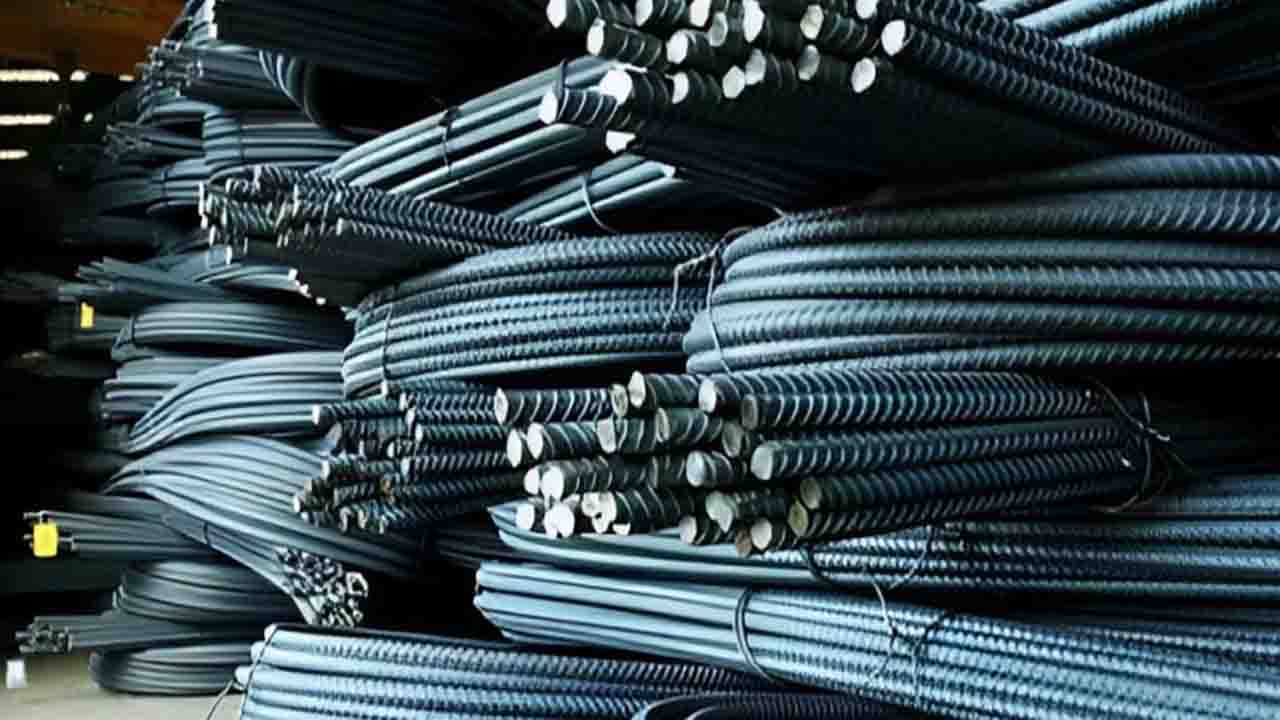
Tata Tiscon, a leading brand under Tata Steel, is known for producing high-quality Thermo-Mechanically Treated (TMT) bars widely used in construction and infrastructure projects. The price list of Tata Tiscon products in India today is shaped by several factors that influence the market rates for these essential construction materials.
Key Factors Affecting Tata Tiscon Prices
Raw Material Costs and Steel Market Dynamics
One of the primary determinants of Tata Tiscon prices is the cost of raw materials, particularly steel. The production of TMT bars relies heavily on steel, and any fluctuations in steel prices directly affect the final cost of these bars. Steel prices are influenced by both global and domestic factors, such as changes in iron ore prices, coking coal costs, and energy expenses. For instance, disruptions in iron ore mining or increases in coal prices can lead to higher steel production costs, which are then reflected in the pricing of Tata Tiscon TMT bars.
Domestic Demand and Regional Price Variations
The construction sector, including residential, commercial, and infrastructure projects, is a major consumer of TMT bars. High demand for Tata Tiscon products due to ongoing and upcoming construction projects often leads to price increases. However, in periods of economic slowdown or reduced construction activity, demand for TMT bars can decrease, resulting in lower prices. Additionally, regional variations in demand and transportation costs contribute to differences in Price List of Tata Tiscon across India. Areas with high construction activity or challenging logistics may experience elevated prices, while regions with lower demand or easier access may see more stable or lower pricing.
Other Influences on Tata Tiscon Pricing
Production, Distribution, and Government Policies
Production costs, including energy, labor, and technology expenses, play a significant role in determining Tata Tiscon prices. Increases in energy costs or labor wages often lead to higher manufacturing expenses, which are passed on to consumers. Distribution costs, especially in remote or difficult-to-access areas, also affect pricing, as transportation becomes a more significant factor. Government policies, such as tariffs on raw materials or environmental regulations, can further impact production and distribution costs, thereby influencing market prices.
Seasonal and Market Trends
Seasonal demand is another important aspect affecting Tata Tiscon pricing. Demand for TMT bars tends to peak before the monsoon season and during festive periods, leading to price surges. Conversely, during the monsoon season or in periods of lower construction activity, prices may stabilize or even decrease.
Conclusion
The price of Tata Tiscon TMT bars in India is driven by a combination of factors, including raw material costs, regional demand, production expenses, government policies, and seasonal trends. Understanding these influences is essential for anticipating price fluctuations and making informed purchasing decisions in the construction industry.
For more related information on steel products, visit our website www.steeloncall.com or you can contact us at our toll free number: 18008332929.
#pricelistoftatatiscon #tatatisconsteel #tatatisconprices #tatasteelbars #ironandsteel
0 likes · 0 comments
Business Facebook
  X
X  Linkedin
  Whatsapp
 Vamsi Chelam
1 year ago
Understanding the Factors Influencing Iron Cost Per KG in India
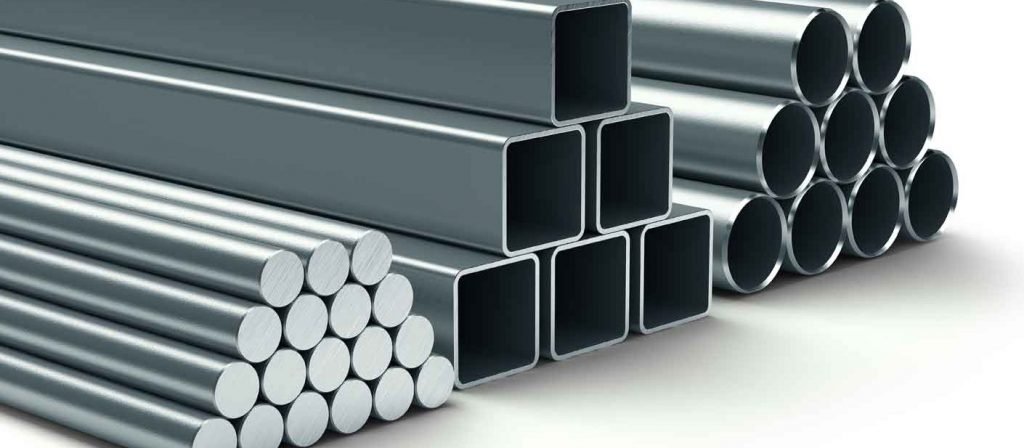
The iron cost per kg in India today is determined by a combination of domestic and global factors, creating a market that fluctuates regularly. Iron is a crucial material used in various industries, including construction, manufacturing, and infrastructure development. The price of this essential commodity is influenced by the cost of raw materials, supply and demand dynamics, production costs, and government regulations. Understanding these factors is key for anyone involved in industries that rely heavily on iron.
Raw Materials: The Foundation of Iron Pricing
One of the primary determinants of iron pricing is the cost of raw materials, particularly iron ore and coking coal. Iron ore is the principal raw material used in steel production, and its price is largely influenced by global market trends. Supply constraints or increased demand in major consuming countries, such as China, can significantly impact the cost of iron ore. For instance, if iron ore mining is disrupted in major producing regions like Australia or Brazil due to strikes, natural disasters, or changes in export policies, the global supply diminishes, driving prices up. Since iron ore is a critical input for steel production, any increase in its price often translates into higher production costs for iron and steel manufacturers, which then leads to higher market prices for iron.
Coking coal, another key raw material in iron production, is used in the blast furnace process to extract iron from its ore. Like iron ore, the price of coking coal is subject to global market conditions. Supply chain disruptions, rising demand, or geopolitical tensions can lead to significant fluctuations in the price of coking coal, which impacts the overall cost of producing iron.
Domestic Demand and Regional Variations
The demand for iron in India is primarily driven by the construction and infrastructure sectors, which rely heavily on steel and iron for various projects. These sectors are influenced by the overall economic conditions and government initiatives. For example, large infrastructure projects or housing schemes can create a surge in demand for iron, leading to higher prices. On the other hand, during periods of economic slowdown or reduced construction activity, the demand for iron typically decreases, causing prices to stabilize or even drop.
Regional differences also play a significant role in shaping iron cost per kg across India. The level of construction and industrial activity varies between states and cities, resulting in price disparities. For example, regions with high levels of construction activity, such as metropolitan areas with ongoing large-scale infrastructure projects, may experience higher iron prices due to increased local demand. Additionally, transportation costs can affect the price of iron in different regions. Areas that are difficult to access or have higher transportation costs may see elevated iron prices, while regions with better infrastructure may have more stable pricing.
Production Costs and Environmental Factors
Production costs are another critical factor influencing the price of iron. The production process involves several stages, including ore extraction, smelting, and refining, all of which require significant energy and labor. Any increase in the cost of energy or labor directly affects the price of iron. For instance, rising electricity costs or higher wages for workers in the iron industry can lead to increased production expenses, which are usually passed on to consumers in the form of higher prices.
Environmental regulations and sustainability initiatives are becoming increasingly important in the iron and steel industry. As governments and industries worldwide push for more sustainable production processes, manufacturers are investing in green technologies and environmentally friendly methods. These investments often come with higher costs, which may lead to an increase in the price of iron, especially for products marketed as eco-friendly.
Government Policies and Seasonal Demand
Government policies and regulations also have a significant impact on iron prices in India. Tariffs on raw materials, such as import duties on iron ore or coking coal, can affect production costs and, consequently, the price of iron. Similarly, changes in environmental regulations or labor laws may increase production costs for manufacturers, who typically pass these costs on to consumers. For example, if the Indian government imposes higher tariffs on imported iron ore to encourage domestic mining, this could lead to an increase in the cost of raw materials, pushing up the price of iron.
Seasonal demand is another important factor to consider. In India, the demand for iron often peaks during specific times of the year, such as before the monsoon season and during festive periods when construction activity is at its highest. This seasonal increase in demand can drive prices up as suppliers adjust to meet the heightened needs of the market. Conversely, during the monsoon season or periods of reduced construction activity, demand for iron typically decreases, leading to more stable or lower prices.
Conclusion
The iron cost per kg in India is shaped by a wide range of factors, including raw material costs, domestic and regional demand, production expenses, government policies, and seasonal fluctuations. The interplay between these elements creates a market where prices can vary significantly over time. For those involved in construction, manufacturing, or infrastructure development, understanding these factors is crucial for anticipating price changes and making informed purchasing decisions. Keeping an eye on global trends, domestic economic conditions, and government regulations will help businesses and consumers navigate the complexities of the iron market.
For top-quality steel at unbeatable prices, explore our offerings at www.steeloncall.com or reach out to us via our toll-free number: 18008332929 for direct assistance.
#ironcostperkg #ironprices #ironrods #ironrateinindia #ironmaterials
0 likes · 0 comments
BusinessVamsi Chelam
2 years ago
Unveiling the Strength and Versatility of TMT Bars in Modern Construction
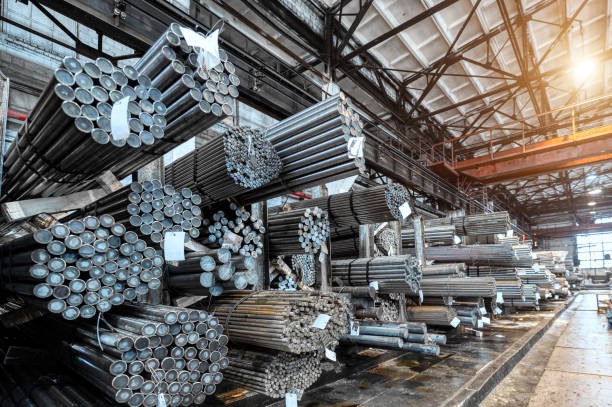
In the unique domain of construction materials, TMT bars arise as crucial parts, proclaiming another period of strength, durability, and versatility in building infrastructure. TMT, an abbreviation for Thermo-Precisely Treated, connotes a progressive manufacturing process that blesses steel bars with prevalent properties, making them the foundation of modern construction projects around the world. In this article, we dig into the significance, applications, advantages, and future prospects of TMT bars, investigating their critical job in forming the constructed climate.
Understanding the TMT Manufacturing Process:
The excursion of TMT bars starts with a carefully created manufacturing process designed to streamline their mechanical properties. Through a succession of stages including warming, extinguishing, self-treating, and cooling, the sub-atomic design of steel bars goes through change, bringing about improved strength, flexibility, and versatility. This thermo-mechanical treatment pervades TMT bars with a remarkable blend of qualities, including high tensile strength, excellent bendability, weldability, and corrosion resistance, separating them as head construction materials.
Applications of TMT Bars:
The versatility of TMT bars tracks down articulation across a heap of construction applications, traversing private, business, modern, and infrastructure projects. From transcending high rises and far reaching extensions to private buildings and modern designs, TMT bars structure the skeletal system that withstands everyday hardship and ecological powers. Their use reaches out to different structural components, including sections, radiates, pieces, establishments, and support networks, where their strength and adaptability assume an urgent part in guaranteeing structural steadiness and security.
Advantages of TMT Bars:
- High Tensile Strength: TMT bars show extraordinary tensile strength, empowering them to withstand critical loads and stresses, in this manner upgrading the structural respectability of buildings and infrastructure.
- Upgraded Pliability: The remarkable manufacturing process of TMT bars bestows prevalent flexibility, taking into account simple twisting and molding during construction, working with multifaceted designs and structural setups.
- Excellent Weldability: TMT bars offer excellent weldability, guaranteeing consistent reconciliation into complex structural gatherings, and working with proficient construction processes.
- Corrosion Resistance: TMT bars are innately impervious to corrosion, making them ideal for use in seaside districts and other unforgiving conditions inclined to corrosion-actuating elements like dampness and salt.
- Optimized Structural Design: The high strength-to-weight proportion of TMT bars takes into consideration optimized structural designs, decreasing material utilization, and construction costs while keeping up with structural heartiness.
- Seismic Resistance: TMT bars have the capacity to retain and disseminate energy during seismic occasions, subsequently improving the seismic resistance of designs and guaranteeing the security of inhabitants.
Future Prospects and Sustainability:
As sustainability arises as a foundation in the construction business, TMT bars are ready to assume a significant part in encouraging manageable practices. Their lightweight nature, joined with optimized structural designs, decreases material consumption, limits carbon impression, and advances asset proficiency. Besides, continuous innovative work endeavors are centered around upgrading the sustainability of TMT manufacturing processes, investigating elective materials, and improving reusing methodologies to additionally lessen ecological effect.
Quality Confirmation and Certificate:
Guaranteeing the quality and genuineness of TMT bars is foremost to ensuring the security and life span of designs. Industry-standard certificates and adherence to administrative rules guarantee consistency with rigid quality control measures, defending against fake or substandard materials.
All in all, TMT bars stand as a demonstration of development and greatness in the construction business, offering unparalleled strength, durability, and versatility. From transcending high rises to mind boggling private buildings, their applications length across different construction projects, molding the fabricated climate representing things to come. With continuous headways in manufacturing advancements and a relentless obligation to sustainability, the excursion of TMT bars keeps on unfurling, preparing for more secure, stronger, and feasible infrastructure around the world.
0 likes · 0 comments
BusinessDo you want to manage your own group?
